C-Mimmi-O Insights
-
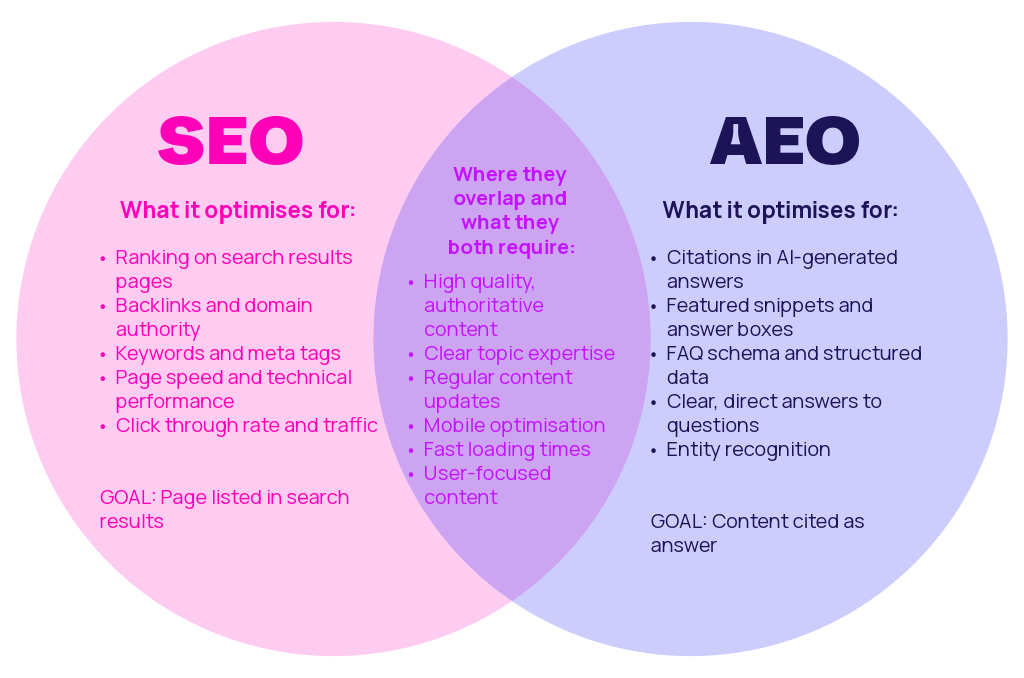
SEO and AEO: 7 Powerful Strategies to Dominate Search Results in 2026
The way people find information online is changing fast. SEO and AEO: 7 powerful strategies on how to stay visible in a world where AI answers questions before users even click. SEO and AEO, Search Engine Optimisation and Answer Engine Optimisation, are no longer two separate strategies. For nearly three decades, SEO dominated digital visibility. Rank…
-

The 5-Stage Content Marketing Funnel That Powers 8-Figure Businesses
The post outlines a five-stage content marketing framework essential for B2B and DTC brands to succeed in 2026 amidst AI-driven search changes. It emphasizes integrating traditional SEO with Answer Engine and Generative Engine Optimization, highlighting real-world examples from successful companies at each stage, ensuring effective engagement from awareness to loyalty.
-

Opportunism vs. Focus in B2B Tech Marketing: A Strategic Guide Across Company Stages
B2B tech companies must navigate the tension between opportunism and focus as they evolve through stages of growth. Startups benefit from strategic opportunism, scaleups must balance expansion with focus, and enterprises thrive by prioritizing clarity in strategy. Successful marketers implement frameworks to evaluate opportunities, ensuring alignment with core positions.
-

Beyond the Algorithm: Decode B2B Buyer Psychology with AI Insights
The traditional view of B2B buying as purely rational is challenged by recent research revealing the significant impact of emotional and psychological factors on purchasing decisions. AI technologies now uncover these subconscious influences, enabling sales teams to predict buyer behavior and tailor strategies accordingly, leading to improved engagement and conversion rates.
-

Human-AI Synergy: Craft Irresistible B2B Narratives for the Digital Age
The future of B2B marketing lies in the collaboration between humans and AI, enhancing creativity and efficiency. While many marketers use AI tools, few achieve full integration. A human-AI synergy improves content production rates, engagement, and lead quality, offering a competitive edge. Embracing this partnership is essential for success.
-

Always base your marketing strategy on the positioning and company business model
An effective marketing strategy should align with a company’s positioning and business model. Strong positioning clarifies customer perceptions and uncovers opportunities. Aligning marketing with business objectives enhances ROI. Utilizing structured tools and clear tactics, alongside continuous measurement and adjustment, fosters growth and strengthens brand identity, ultimately driving success.
-

The “Dark Side” of AI in B2B: Does Automation Kill Customer Trust?
As businesses increasingly adopt AI in B2B, automation risks undermining crucial customer relationships. While AI enhances efficiency, it often lacks the human touch necessary for trust-building, leading to frustration and potential customer churn. Companies must strategically balance AI advantages with human interaction to foster long-term partnerships and mitigate trust erosion.
-

The July Paradox: How B2B Marketers Can Thrive During Finland’s Summer Shutdown
When the Country Goes Quiet (But Your Marketing Shouldn’t) It happens every year like clockwork. July arrives, and Finland transforms into a ghost town. Corporate emails bounce back with “out of office until August” replies. LinkedIn goes quiet. Decision-makers vanish to their summer cottages. The entire country seems to pause. And if you’re a B2B…
-
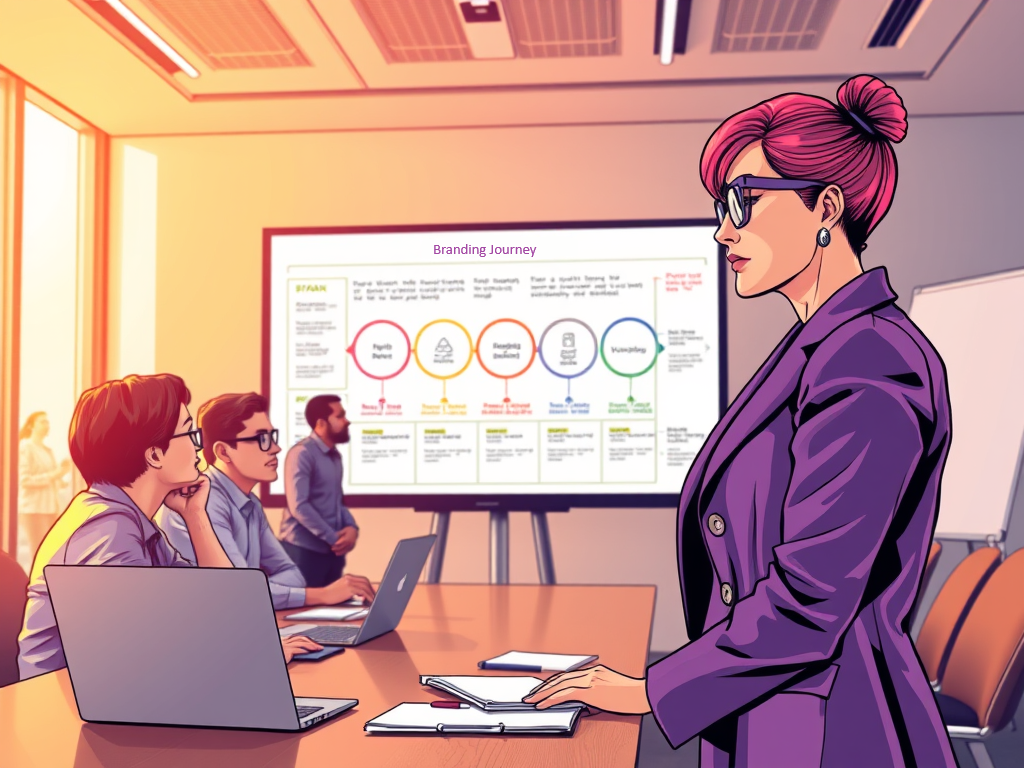
The Strategic Power of Brand in B2B Tech Customer Journeys: Building Mind Share Through Every Touchpoint
Brand impact is critical in the B2B technology sector, influencing customer awareness and loyalty throughout the purchasing journey. Companies that build strong brand recognition through consistent messaging and valuable content gain competitive advantages, as buyers extensively research before making purchases. Effective brand strategies enhance firm trust, visibility, and customer relationships, driving long-term success.
-

B2B Empathy at Scale: AI-Powered Personalization Without Losing the Human Touch
The integration of AI in B2B personalization enhances client engagement without sacrificing human connection. As business buyers demand personalized experiences, organizations using AI to understand client behavior see improved satisfaction and revenue. Successful strategies involve combining AI insights with human creativity and emotional intelligence, fostering relationships through adaptive, empathetic approaches.

- 14.01.2026
C-Mimmi-O news - 03.12.2025
C-Mimmi-O news - 05.11.2025
C-Mimmi-O news - 06.10.2025
C-Mimmi-O news - 03.09.2025
C-Mimmi-O news - 06.08.2025
C-Mimmi-O news - 03.07.2025
C-Mimmi-O news

AI is used to research and compile content on this website. The articles have been reviewed by the author. The sources for the content are added for transparency.
AI is also used to create cartoon imagery on the website.