Category: Blog article
-

The Vibecoding Marketer Is the New T-Shaped Marketer
The marketing landscape is evolving beyond T-shaped marketers to include ‘vibecoding marketers’ who leverage AI to transform ideas into prototypes swiftly. These marketers combine strategic thinking, data literacy, and AI tool fluency with the ability to articulate and design user-centered products, making them increasingly valuable to organizations.
-

Neuro-Marketing: Decoding Customer Decisions in B2B
The B2B technology purchase process appears rational but is heavily influenced by psychological factors. Investors’ decisions are swayed by cognitive biases, emotional triggers, and social proof. Understanding neuro-marketing enables B2B tech companies to align messaging with these psychological elements, enhancing effectiveness and differentiation in competitive markets, ultimately addressing complex buyer behaviors.
-

Build an Effective Communications Strategy: From Framework to Implementation
A strong communications strategy is essential for organizational messaging, ensuring consistency and clarity. It includes strategic foundations, core messaging frameworks, audience segmentation, and clearly defined objectives. Effective implementation requires careful planning across channels, resource allocation, and continuous performance measurement to adapt to audience needs and improve engagement outcomes.
-
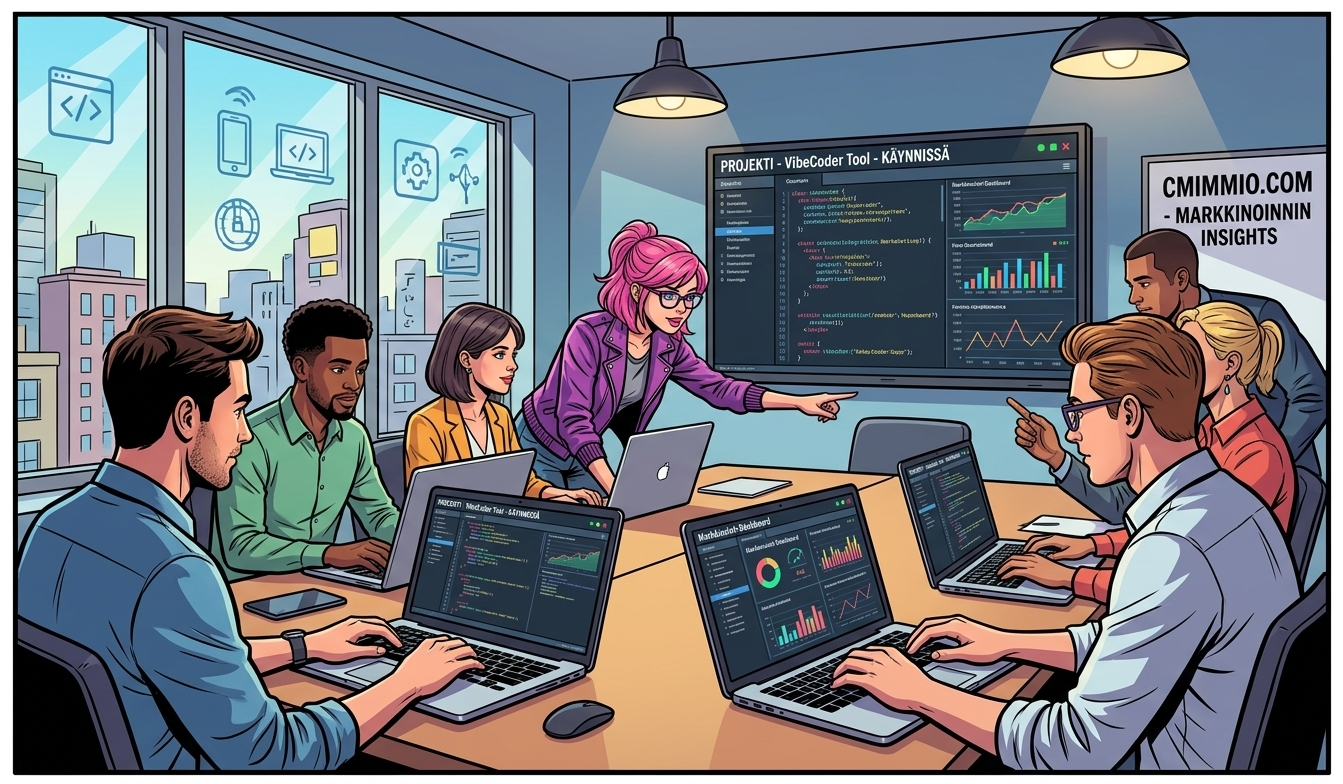
The Vibecoding Collectives in 2026: How Solo Founders Are Finding Their Tribes
Vibecoding communities are emerging as essential support networks for solo builders, focusing on build milestones rather than traditional funding stages. These groups facilitate problem-solving, validation, and emotional support, while also fostering local gatherings and accountability cohorts. They thrive on action-oriented connections rather than mere discussions, allowing members to innovate collaboratively.
-

B2B AI Ethics: The Future of Customer Data
Artificial intelligence is fundamentally altering B2B interactions, enhancing data analysis and customer engagement but raising critical ethical concerns. Many organizations lack necessary ethical frameworks, leading to potential misuse of data and trust erosion. Companies must prioritize transparent AI practices and robust governance to ensure long-term success and relationship integrity in the evolving landscape.
-
Podcast Episode: Vibecoding Security: 7 Critical Risks Every Builder Must Fix Before Launch
Pip: Welcome to C-Mimmi-O, where today we’re asking the question vibecoding community has been quietly avoiding: what happens after you ship? Mara: Mirva Saarijärvi has a detailed answer. We’re covering the security risks baked into AI-generated code, the attack techniques targeting the tools that build it, and what the EU’s Cyber Resilience Act means for…
-
Podcast Episode: The Nordic Vibecoding Scene is Quiet, Technical, and About to Explode
Pip: Welcome to C-Mimmi-O, where we bring light to the part of the tech map that isn’t loudly announcing itself on a podcast stage. Today that map points north. Mara: Mirva Saarijärvi has been watching the Nordic vibecoding scene closely, and this episode follows her argument: that a quieter, more technically grounded builder culture is…
-

Creating an Event Brand: A Strategic Guide for B2B Tech Events
This guide focuses on developing a strong event brand for B2B tech gatherings, emphasizing emotional connections with attendees. It outlines a five-year growth strategy, highlighting key phases like foundation building, community engagement, and brand launch. Each phase combines strategic planning, digital integration, and innovative marketing to foster industry leadership and sustainable success.
-

Post-AI Content Creation: The Human Element
AI enhances content creation by streamlining tasks, enabling human creators to focus on unique emotional experiences that machines cannot replicate. Although AI can generate content efficiently, it lacks the intuition, empathy, and originality rooted in human experience. This shift raises the value of authentic, meaningful content, emphasizing the importance of genuine human connections.
-
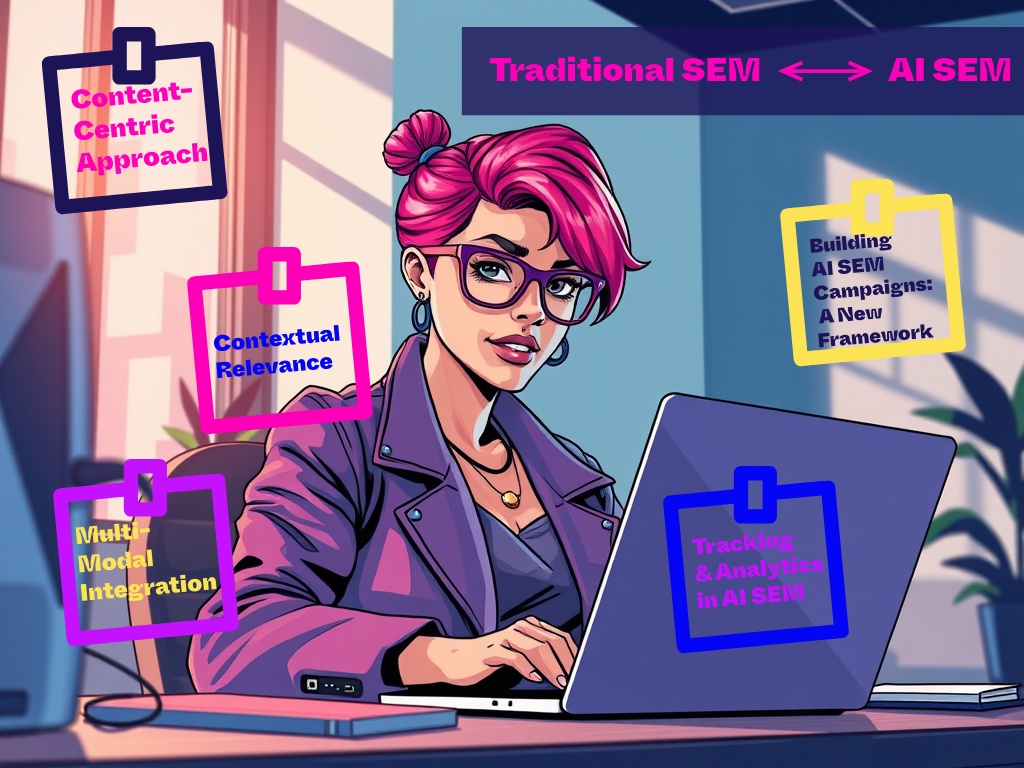
The Rise of AI SEM: How Search Engine Marketing is Transforming in the Age of AI
The digital marketing landscape is transforming with the rise of AI Search Engine Marketing (AI SEM), which integrates advertising into AI-generated search content. Unlike traditional SEM, AI SEM focuses on intent-based targeting and contextual relevance. As Google enhances its AI features, brands must adapt their strategies for success in this evolving environment.

- 14.01.2026
C-Mimmi-O news - 03.12.2025
C-Mimmi-O news - 05.11.2025
C-Mimmi-O news - 06.10.2025
C-Mimmi-O news - 03.09.2025
C-Mimmi-O news - 06.08.2025
C-Mimmi-O news - 03.07.2025
C-Mimmi-O news

