C-Mimmi-O Insights
-
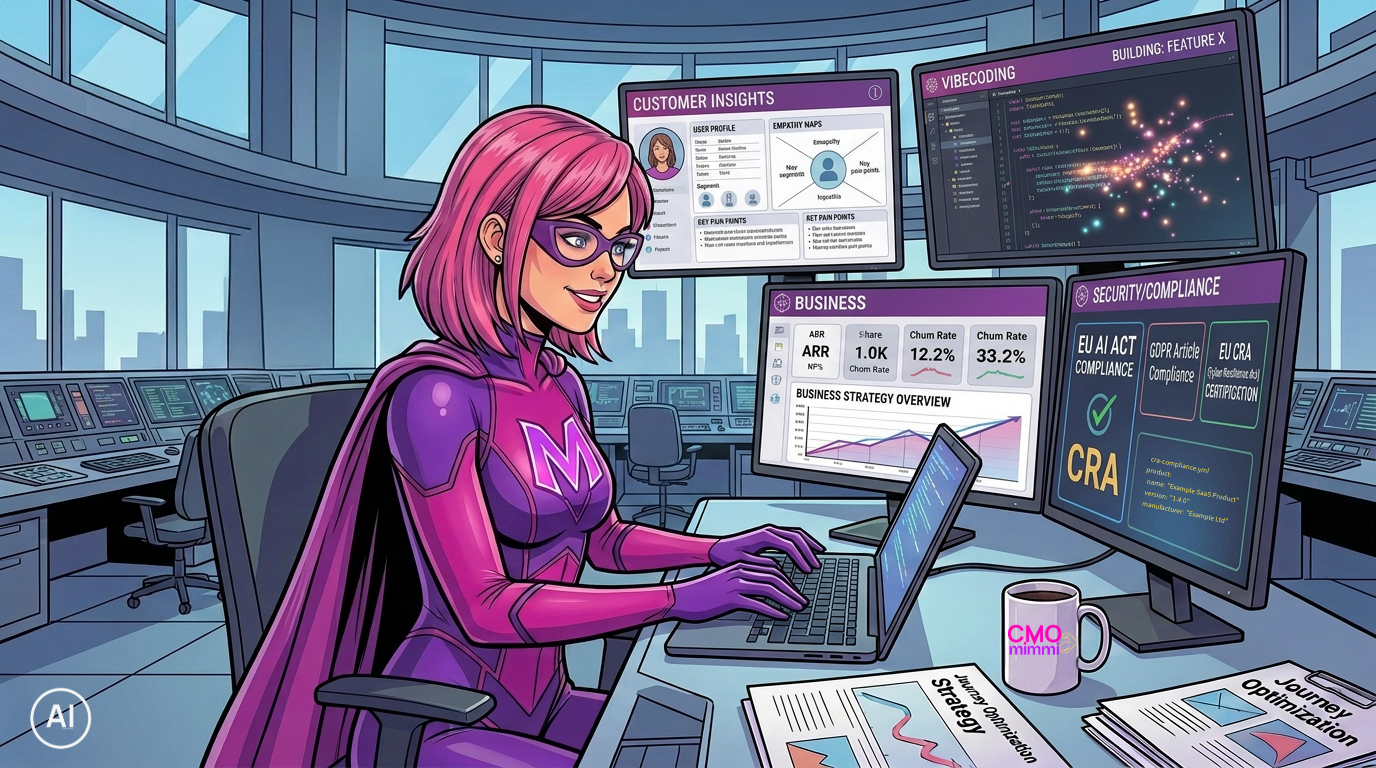
Vibecoding Is Not Just About the Building
The vibecoding phenomenon emphasizes that rapid development with AI tools is only part of the equation. True success stems from the builder’s domain knowledge and strategic thinking, particularly in navigating market needs and compliance. Leveraging deep industry insights allows creators to deliver unique solutions that resonate with users and circumvent common pitfalls.
-
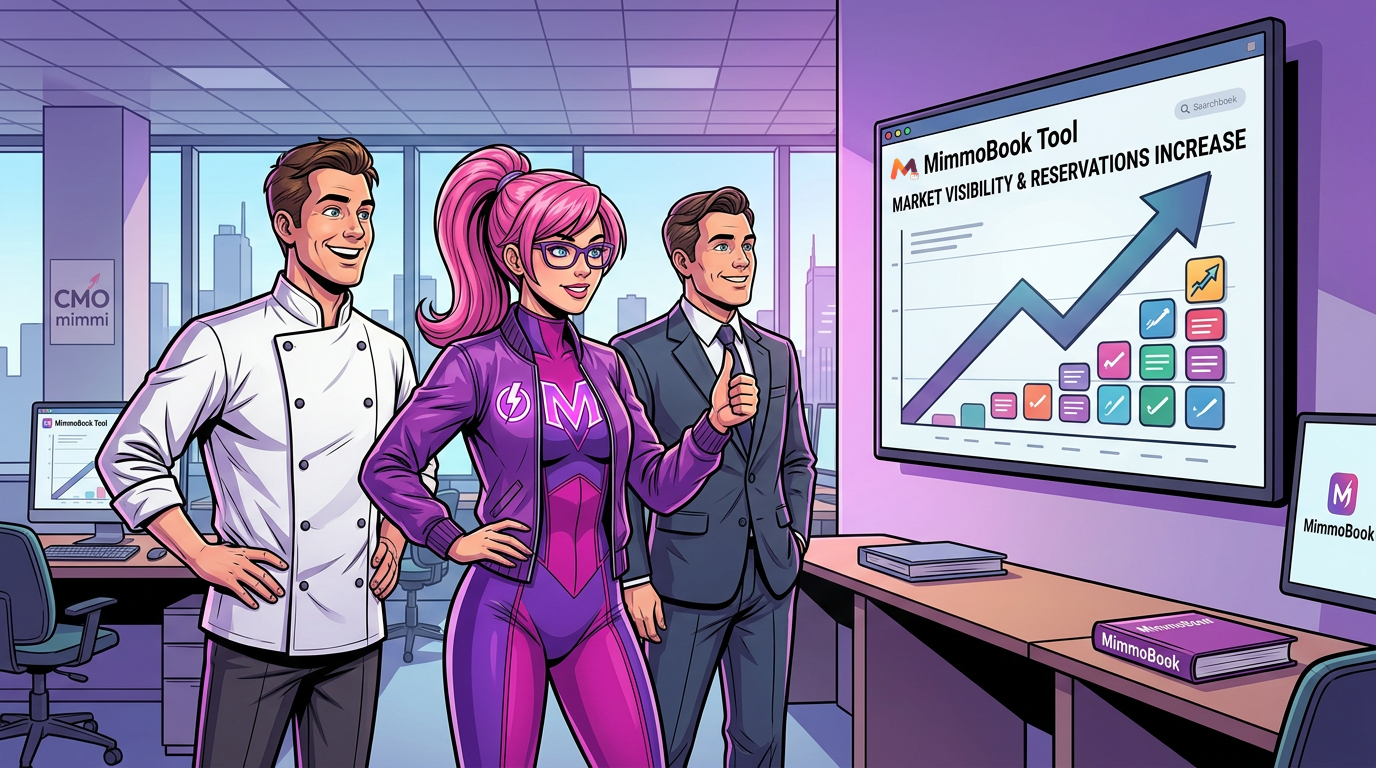
Beyond Booking: MimmoBook Can Build Mental Brand Availability Locally
Most business owners overlook their booking tools as mere organizational aids, hindering market dominance. To compete effectively, brands must focus on creating mental availability through distinctive branding and community integration. MimmoBook supports transforming services into community rituals, enhancing customer loyalty and engagement, ultimately leading to stronger brand recognition and market resilience.
-
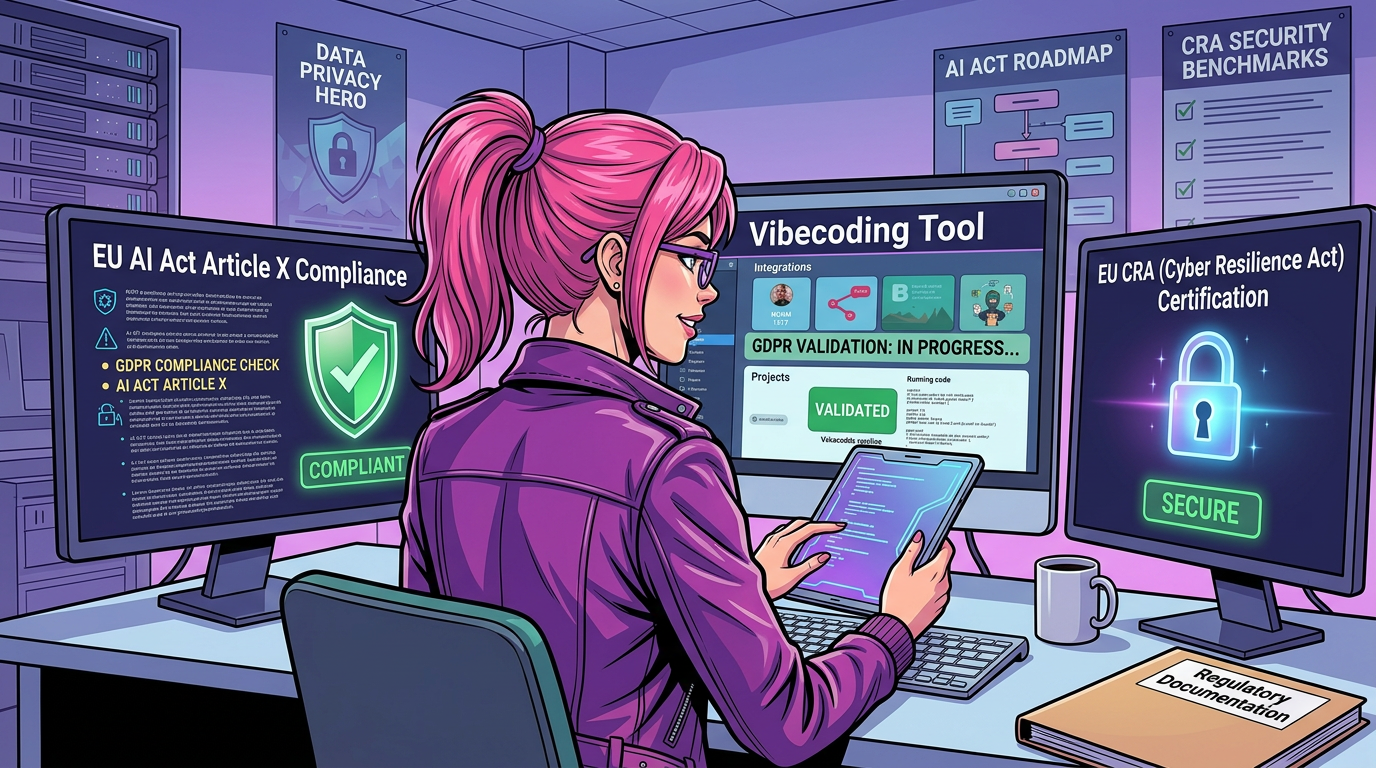
Quick guide to ensure Corporate Security and EU Compliance in your Vibecoded Product Architecture
To succeed in enterprise procurement, vibecoded products must balance creative aesthetics with stringent security and EU compliance. This guide emphasizes separating the user experience from the security architecture, embracing zero trust principles, and automating documentation processes. By doing so, startups can maintain their innovative essence while ensuring robust operational integrity and scaling opportunities.
-

Integrating Minuttio with AI Workflows for High-Performance B2B Marketing Operations
Your B2B marketing shouldn’t feel like a constant battle against chaotic creative cycles and fragmented tools. Most teams drown in operational friction. We engineered a way out. By embedding AI-driven automation directly into our Minuttio workspace, we turned disconnected workflows into a unified, high-performance engine. Every prompt-to-publish cycle keeps brand integrity intact. Every manual handoff…
-

Newsflash! C-Mimmi-O joins the Lovable Solution Partner Program
C-Mimmi-O has been accepted into the Lovable Solution Partner Program, marking a significant evolution from a fractional CMO to a Vibecoding Fractional CMO. The focus is on understanding business needs to create tailored software solutions. With a growing portfolio of products, the aim is to improve client outcomes through strategic insight and development.
-
Why Your Vibecoded SaaS Needs a CMO Mindset to Scale Beyond Beta
For SaaS startups, transitioning from hype to sustainable growth requires a CMO mindset, focusing on product-market fit and strategic marketing. Aesthetic appeal is insufficient; brands must align technical advancements with effective messaging. Building long-term market endurance demands rigorous data-driven strategies, emotional resonance with users, and a shift from experimentation to disciplined brand development.
-
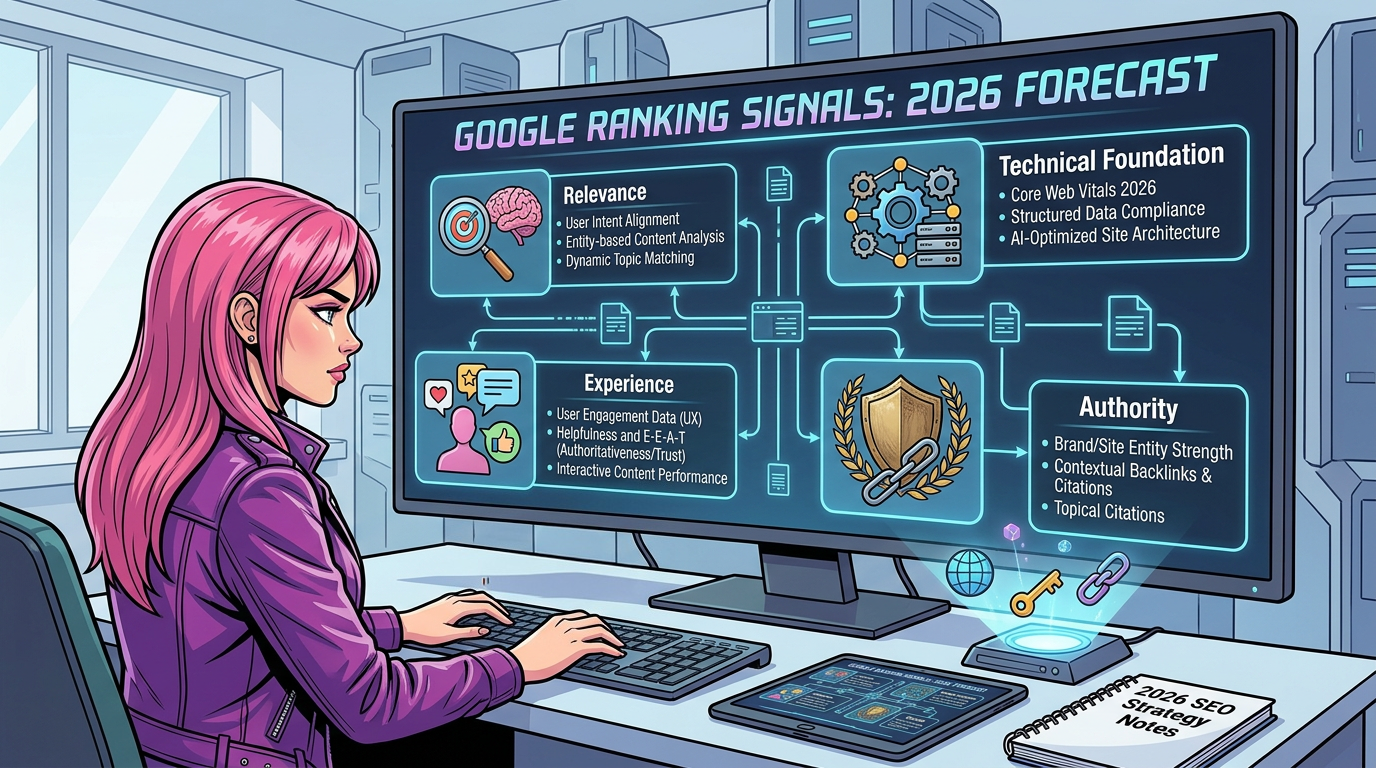
GOOGLE STILL JUDGES YOUR WEBSITE WITH THE WORDS you are familiar with. HERE IS WHAT THEY MEAN IN 2026.
In 2026, Google ranking signals focus on four main areas: relevance, technical foundation, experience, and authority. AI impacts click-through rates significantly, as traditional rankings adapt to prioritize content that demonstrates genuine expertise. To succeed, content must align with user intent, maintain technical integrity, deliver optimal experiences, and establish trustworthiness.
-

Why Every Fractional CMO Needs Custom Vibecode Solutions in 2026
The High-Value B2B Playbook: How to Build Bespoke Client Tech Without a Dev Team and Make Your Services Impossible to Quit “Your reliance on rigid SaaS tools is quietly killing your agency’s competitive edge. In an era where generic marketing stacks are commodities, high-value B2B clients are tired of ‘off-the-shelf’ solutions that don’t scale. If…
-

Selling To The C-Suite: Positioning Vibecoded SaaS As Operational Risk Mitigation in 2026
The content emphasizes that AI-assisted development should be framed as essential infrastructure rather than an experimental tool to gain acceptance in the boardroom. Presenting projects in terms of risk mitigation, compliance, and operational efficiency effectively addresses C-suite concerns about vendor lock-in and technical debt, positioning these tools as vital for business continuity.
-
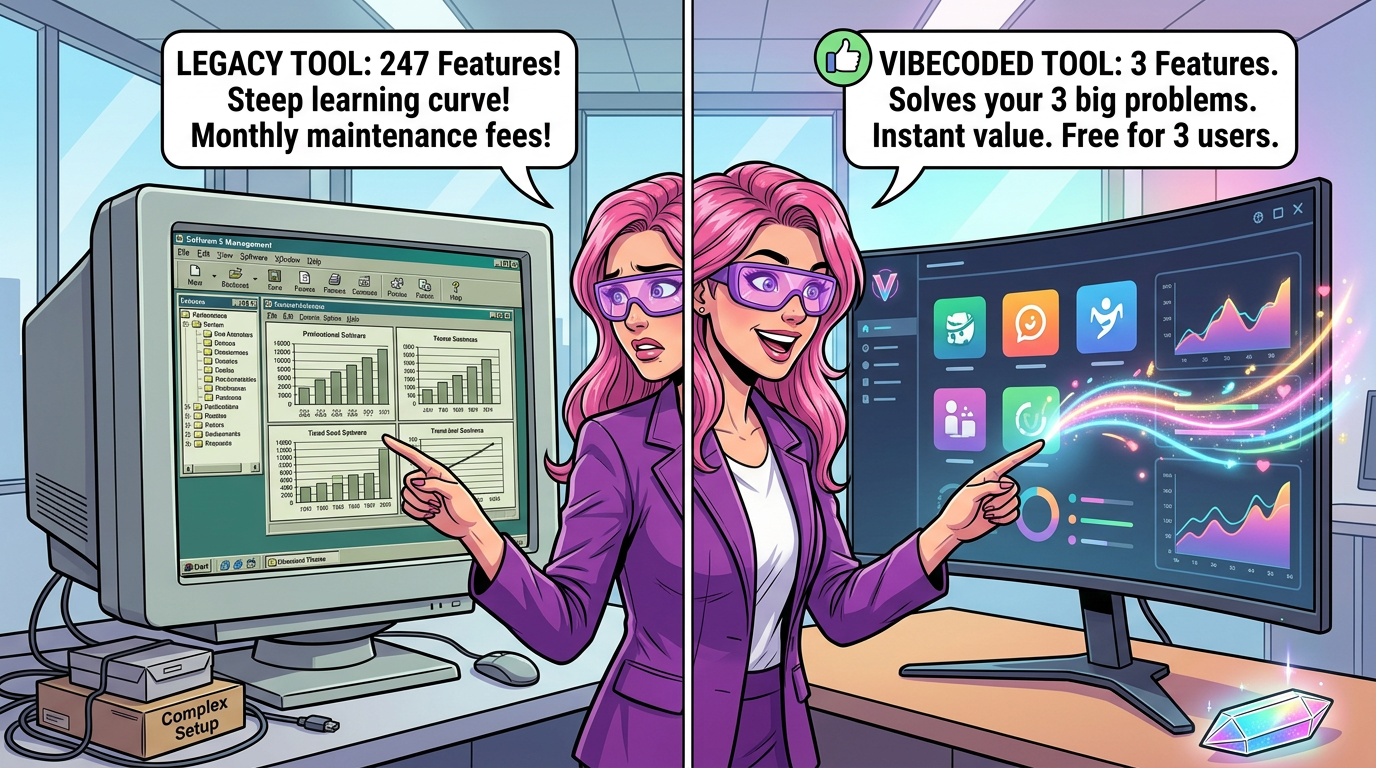
The Invisible Competitor: Why Legacy Software Fails Against Custom Vibecoded B2B Tools
The competitive landscape is shifting as bespoke, AI-assisted tools outpace traditional, feature-heavy enterprise platforms. Companies embracing custom solutions, known as “Invisible Competitors,” gain advantages by aligning tools with specific workflows. Legacy software’s growing inefficiencies drive firms to build tailored applications, enhancing operational fluency and reducing reliance on generic solutions.
- 14.01.2026
C-Mimmi-O news - 03.12.2025
C-Mimmi-O news - 05.11.2025
C-Mimmi-O news - 06.10.2025
C-Mimmi-O news - 03.09.2025
C-Mimmi-O news - 06.08.2025
C-Mimmi-O news - 03.07.2025
C-Mimmi-O news

AI is used to research and compile content on this website. The articles have been reviewed by the author. The sources for the content are added for transparency.
AI is also used to create cartoon imagery on the website.