C-Mimmi-O Insights
-

Why Your B2B Tech Brand Looks Like Everyone Else’s (And Why That’s Costing You)
The article discusses the B2B tech industry’s reliance on conventional color palettes, particularly the overuse of blue, which leads to brand invisibility. It emphasizes the psychological impact of color on consumer choices and highlights successful brands that have embraced bold colors. The author advocates for distinctive branding as a means to stand out and connect…
-

A Fractional CMO Brings Critical Outside Perspective to Social & Digital Campaigns for Tech SMEs
In the fast-paced digital landscape, tech SMEs often face marketing challenges due to limited teams and evolving priorities. A Fractional CMO provides essential objectivity, strategic alignment, channel expertise, and agility, enhancing campaign effectiveness while reducing costs. They offer high-level guidance ideal for SMEs aiming for impactful marketing without hiring full-time executives.
-
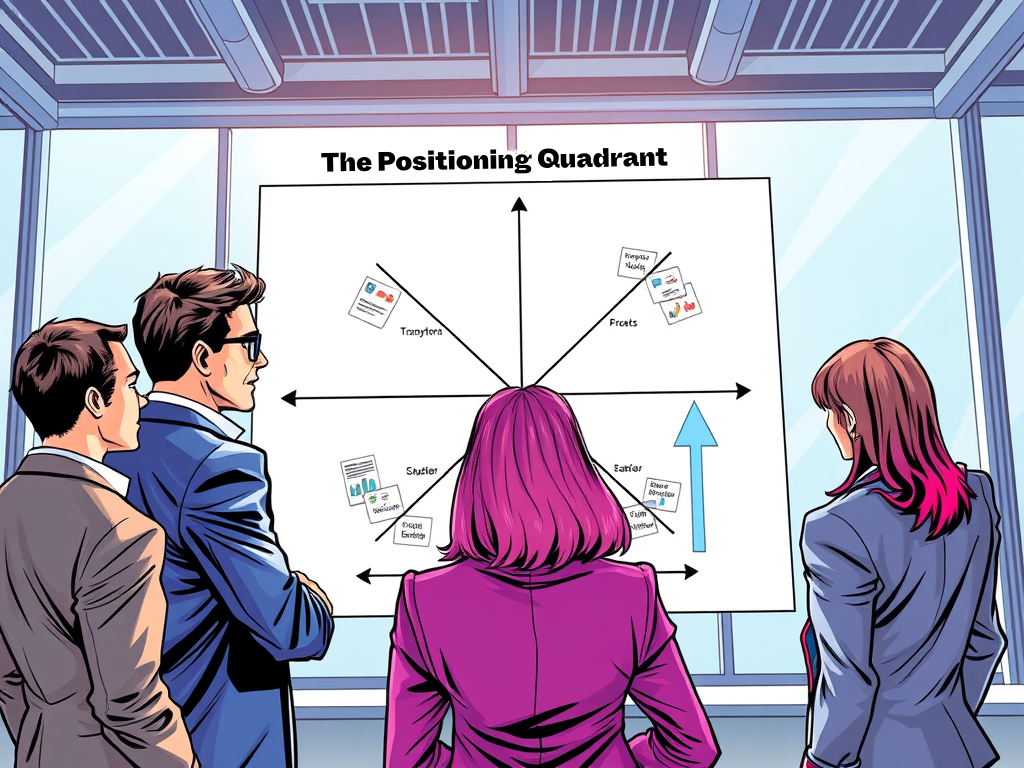
B2B Tech Company Positioning: From Startup to Enterprise
This guide outlines strategic positioning for B2B tech companies through three growth phases: startup, scale-up, and established enterprise. It emphasizes evolving strategies to address market dynamics and challenges. Key tactics include problem-first positioning, category creation, and innovation leadership. Success relies on understanding customer needs and consistent messaging throughout growth.
-

The Dark Side of AI Marketing: Navigating Hallucinations, Deepfakes, and Emerging Threats
The article outlines the significant risks of AI in marketing, including issues with AI hallucinations, deepfakes, algorithmic bias, copyright violations, and data privacy vulnerabilities. It emphasizes the need for organizations to adopt rigorous risk management strategies, including verification processes, bias testing, and disclosures, to safeguard against reputational and legal repercussions.
-

Google Ads in the B2B Tech Space: What’s Working Now
Google Ads remains essential for tech companies to tap into high-intent demand. Successful campaigns require strategic audience targeting, effective keyword selection, and optimized ad structures. Employing techniques like Customer Match and tightly themed ad groups enhances efficiency. Continuous testing and adaptation to platform changes are crucial for maximizing ROI and lead quality.
-

Building B2B Tech Company Marketing Strategy: From Startup to Scale-Up to Established Enterprise
The B2B technology marketing landscape has evolved through three growth phases: startup, scale-up, and established enterprise. Each phase has unique challenges, budget allocations, and strategic priorities. Successful companies adapt their marketing strategies to their growth stage, focusing on customer value and consistent messaging to drive sustainable growth and brand loyalty.
-

The Evolving Landscape of Marketing Jobs & Skills (with Cases and Data)
The marketing profession has evolved significantly due to digital technology, data, and AI. Traditional roles are now integrated with modern skills, emphasizing data analytics and operational understanding. Marketers must possess hybrid skills, adapt quickly, and focus on ethics and accountability, ensuring campaigns are measurable for improved ROI and effectiveness.
-

2026 B2B Marketing Forecast: What’s Coming Down the Pipeline
As we enter 2026, B2B marketing faces significant changes driven by AI. Key trends include AI answer engines dominating discovery, the rise of conversational ads, hyper-specialization in content, and evolving attribution models. Marketers must balance technology with human connection, community engagement, and innovative strategies to thrive amidst economic uncertainties.
-

Meet Your New Creative Team: The AI Tools Taking Over Content Marketing
AI content tools are reshaping marketing by enabling faster and more efficient creation. With teams producing five times more content across various channels, tools like Jasper, Copy.ai, and Synthesia enhance productivity while maintaining human creativity. AI also raises sustainability concerns, necessitating conscious use for quality results and reduced environmental impact.
-

My B2B Marketer’s Holiday Letter to you: 2025’s Gifts (And Coal)
In 2025, B2B marketing transformed with AI integration reshaping SEO strategies and content creation. Marketers embraced hyper-personalization and predictive analytics while navigating challenges like increased competition and complex budgeting. Authenticity and community-building emerged as vital for success, emphasizing human insights amidst AI advancements. Brands must prioritize uniqueness in this evolving landscape.

- 14.01.2026
C-Mimmi-O news - 03.12.2025
C-Mimmi-O news - 05.11.2025
C-Mimmi-O news - 06.10.2025
C-Mimmi-O news - 03.09.2025
C-Mimmi-O news - 06.08.2025
C-Mimmi-O news - 03.07.2025
C-Mimmi-O news

AI is used to research and compile content on this website. The articles have been reviewed by the author. The sources for the content are added for transparency.
AI is also used to create cartoon imagery on the website.